
Underneath the supple velvet, patent calfskin, and Italian leather of haute couture stilettos lies a merciless engineering reality: extreme physics. To suspend a human body atop a vertical column no thicker than a cigarette requires metallurgy borrowed from aerospace engineering and structural mechanics that rival modern architecture.
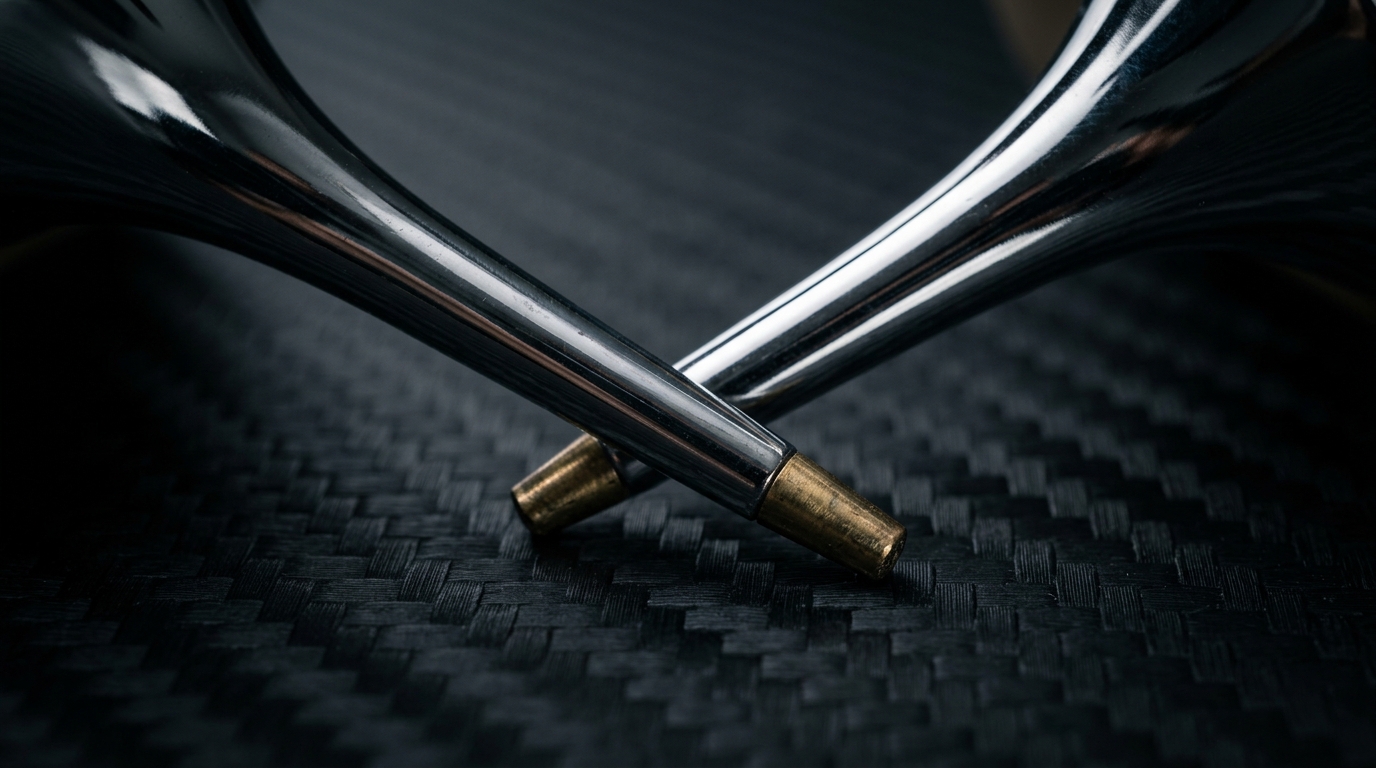
The Fulcrum of Force: Managing 400 PSI
When a woman strides in a 100mm to 120mm stiletto, the downward pressure exerted on the tiny tip of the heel can exceed 400 pounds per square inch—greater than the pressure beneath the foot of an elephant. If the internal architecture fails by even a fraction of a millimeter, catastrophic buckle occurs.
To prevent shear failure, master shoemakers utilize three core structural components:
- The Tempered Spring Steel Shank: A curved, heat-treated steel rib embedded between the insole and outsole that transfers weight from the arch directly to the heel base.
- The Extruded Aluminum/Steel Pin: A solid metal core that extends through the entire vertical axis of the heel stem, anchoring directly into the heel seat with triple steel rivets.
- The Brass Top-Lift Matrix: High-density polyurethane or solid brass top-pieces engineered to resist abrasion and deliver that unmistakable, authoritative percussive strike.
The Acoustic Signature of Power
In retifist culture, the tactile and auditory resonance of a high-tensile heel stem is as intoxicating as its visual silhouette. The sharp, rhythmic click of steel and hard rubber striking polished marble or hardwood is an unmistakable acoustic declaration. It alters the energy of the room, forcing heads to turn and commanding immediate spatial awareness.
True luxury footwear does not muffle its presence; it announces it with mathematical precision. The stiletto is the ultimate triumph of ergonomic defiance—where cold, uncompromising metallurgy transforms into pure, living art.